NEW SIGNING - NATHAN JOYCE
We’re delighted to welcome Nathan Joyce to the LPA roster!
Working out of his own central London studio, Nathan has carved out a distinctive space in the world of product and food photography. With a penchant for playfulness, his images combine bold colours, clean shapes and delightfully messy props, a style that feels both fresh and instantly recognisable.
But Nathan doesn’t stop at stills. His stop-motion animation work transforms everyday products into captivating characters, borrowing techniques from traditional 2D animation—think squash, stretch, smear frames and satisfying sound design—to bring inanimate objects to life with whimsical charm. It’s an approach that has caught the eye of brands such as Reese’s, Rescue Remedy, Propercorn, Merchant Gourmet, Pip & Nut, Kallo, FitFlops and many more.
We caught up with Nathan to hear more about his journey, his studio, and what inspires his playful approach to photography and animation.
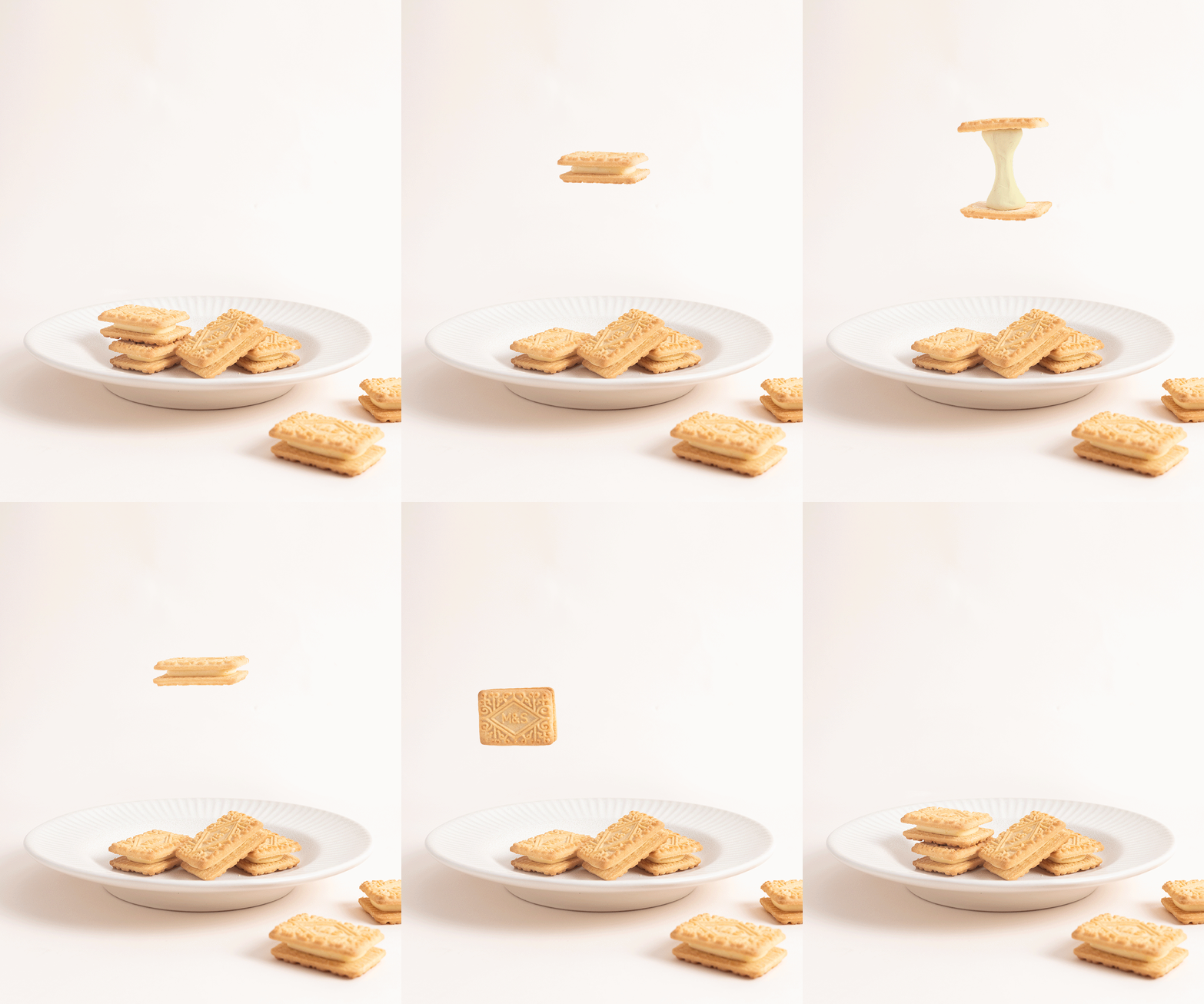
LPA: We love your playful, whimsical style. What influenced you to adopt this in the first place?
NJ: Having fun with what I do has always been a primary motivator for me, and I think my style is a reflection of that. I think most people who know me would describe me as playful and whimsical, so it’s hard to imagine a world where my visual style doesn’t have that at its core.

LPA: Do you storyboard your stop-motion animations in advance, or do ideas evolve as you shoot?
NJ: Typically, yes, but it can depend on the animation. If the purpose is to tell a narrative, then a storyboard helps me plan out how I will transition between those ‘plot’ points (I use the word plot very loosely here — it could be as simple as showing the ingredients transitioning into packaging, for example). However, if it’s more about creating a satisfying little loop, then I will often just have an idea in my head about the main action happening, and build around that.

LPA: Where do you find inspiration for the bold colours and playful visuals in your work?
NJ: I used to work in illustration and graphic design, where there was always a lot of thought put into colour and shape. Those ideas translate well into photography. For example, I always loved the final step in illustrating which was adding rim lighting to pick the characters out from their background — and in photography I get to add that in for real!
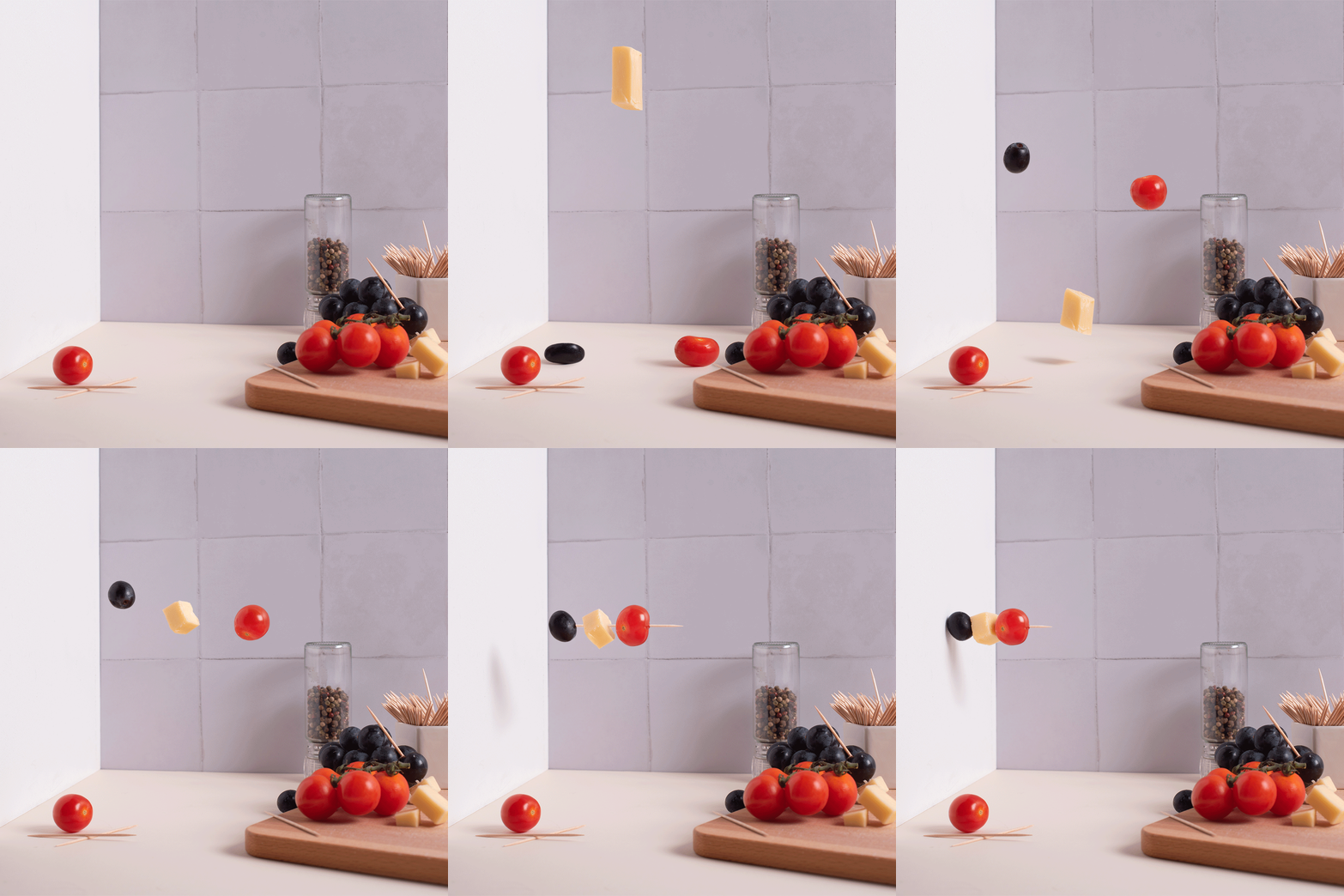
LPA: Are there particular animators, illustrators, or filmmakers who’ve influenced your stop-motion style?
NJ: I often turn to old-school 2D animation for inspiration. Those classic principles of animation—anticipation, exaggeration, squash/stretch, smear frames, etc.—give so much life and charm to moving image. On the foley side too, the equipment used to be too large to actually take and record what might be the appropriate sound effects, so they’d use all sorts of music instruments and random objects instead. The end result is really playful and creative.
Alexander Unger is a stop-motion animator who really opened my eyes to just how satisfying it could be to watch. He takes the principles of animation and pushes them to the extreme. I thought, “Why couldn’t this be applied to products and packaging? If branded/commercial content felt good to watch, wouldn’t it make for more engaging content?”
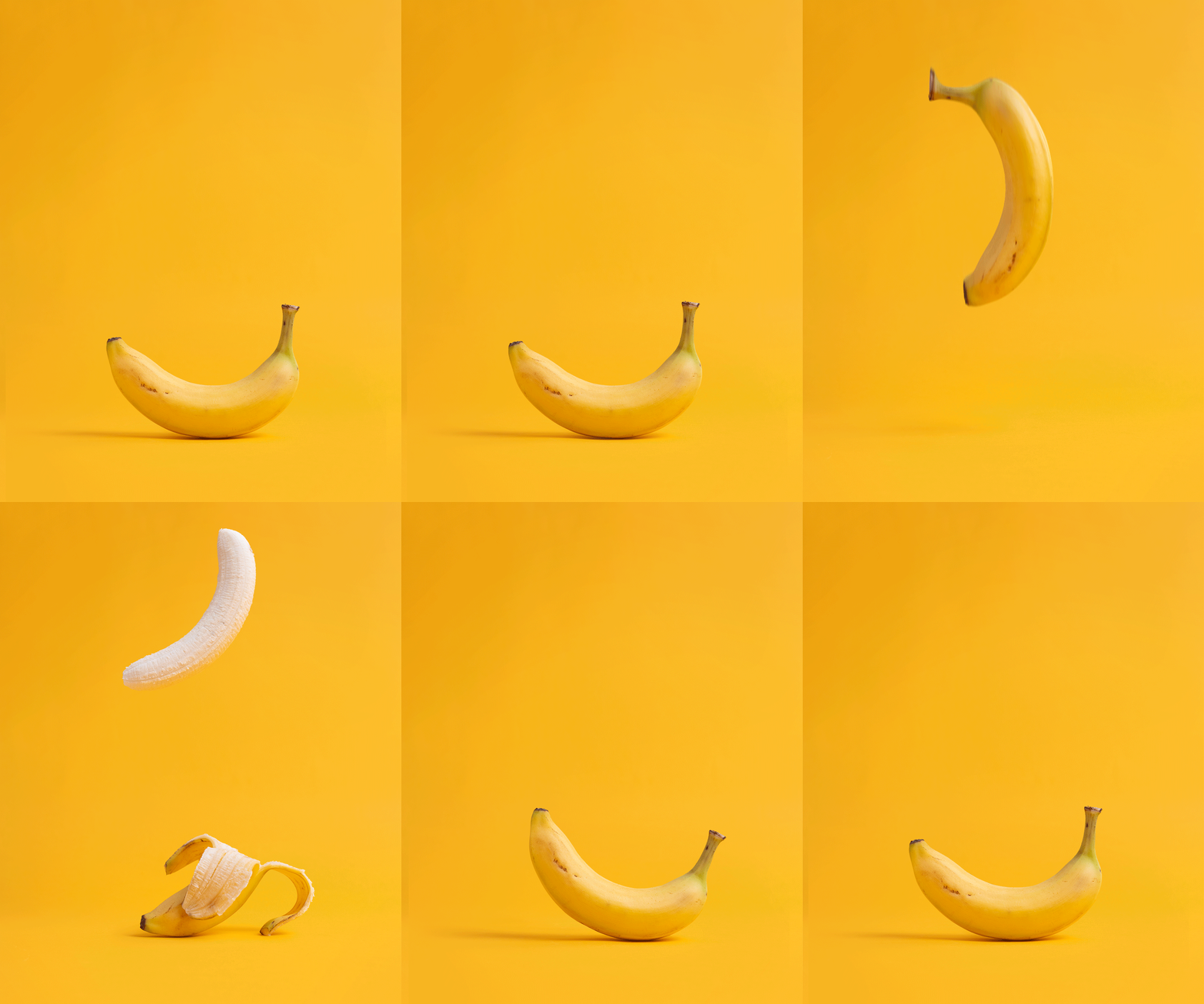
LPA: What’s been your trickiest stop-motion setup so far?
NJ: Oh there is one setup that haunts me (and, I would expect, haunts an innocent child) to this day. I was trying to show a fish tail sticking out of a bag of pet food, flopping around — the idea was to show how fresh the ingredients were.
Anyway, this was one hefty fish, and none of the rigging I had at that time could hold it in place, so I opted to hold it by hand, crouched down behind the pack. It was heavy, and I needed to flop its tail around, which was a two-hand job. In my infinite wisdom, I decided the best course was to put my shutter remote in my mouth and bite down on it whilst I wobbled this fish tail back and forth.
It was hot work, so I cracked my studio door a little… and it just so happened that someone in the studio down the hall from me brought their child in that day. That curious, innocent mind peeked in and saw a grown man crouched down waving a fish corpse around.
I tried to smile to show that I wasn’t, in fact, Sméagol… but it’s hard to smile with a remote clenched between your teeth, and so I practically snarled at this poor terrified child.
I moved studio not long after, and I tell myself it was for a plethora of reasons, but deep down I suspect it was so that I don’t have to ever see that parent or child again.
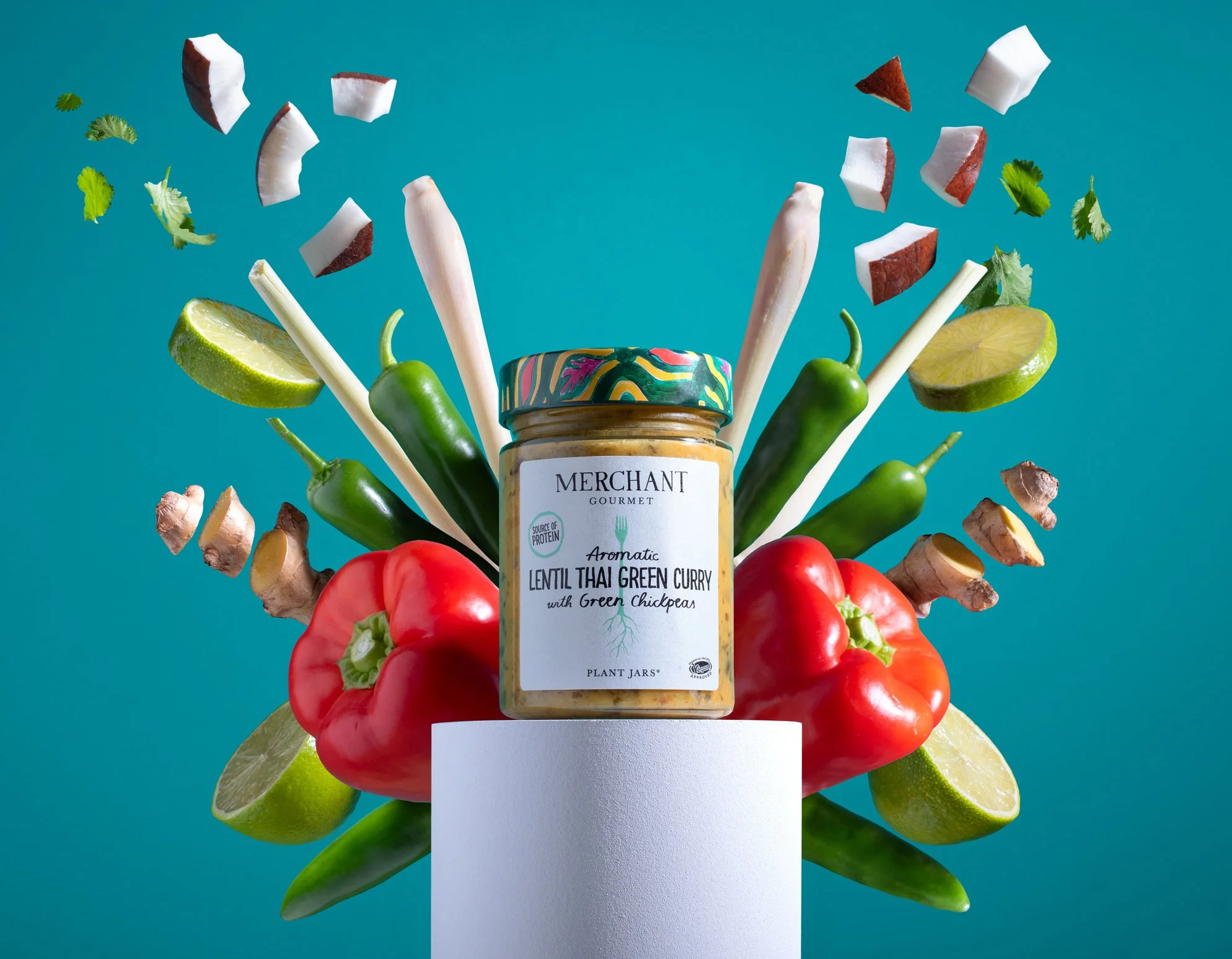
LPA: If you weren’t a photographer/animator, what do you think you’d be doing instead?
NJ: There’s a video of me as a child where my mum asks me what I’d like to do when I grow up, and I say “Pick up rocks and blow bubbles”. In another life, I might’ve pursued these lofty dreams.
LPA: What’s your dream project or brand you’d love to collaborate with?
NJ: My first ever stop-motion was animating a Lego Technic Bionicle (Toa Pohatu — the coolest one) using a late 90s webcam, so it would be wonderful if it ever came full circle and I got to animate for Lego!
LPA: If one of your stop-motion characters came to life for a day, who would you want to hang out with and why?
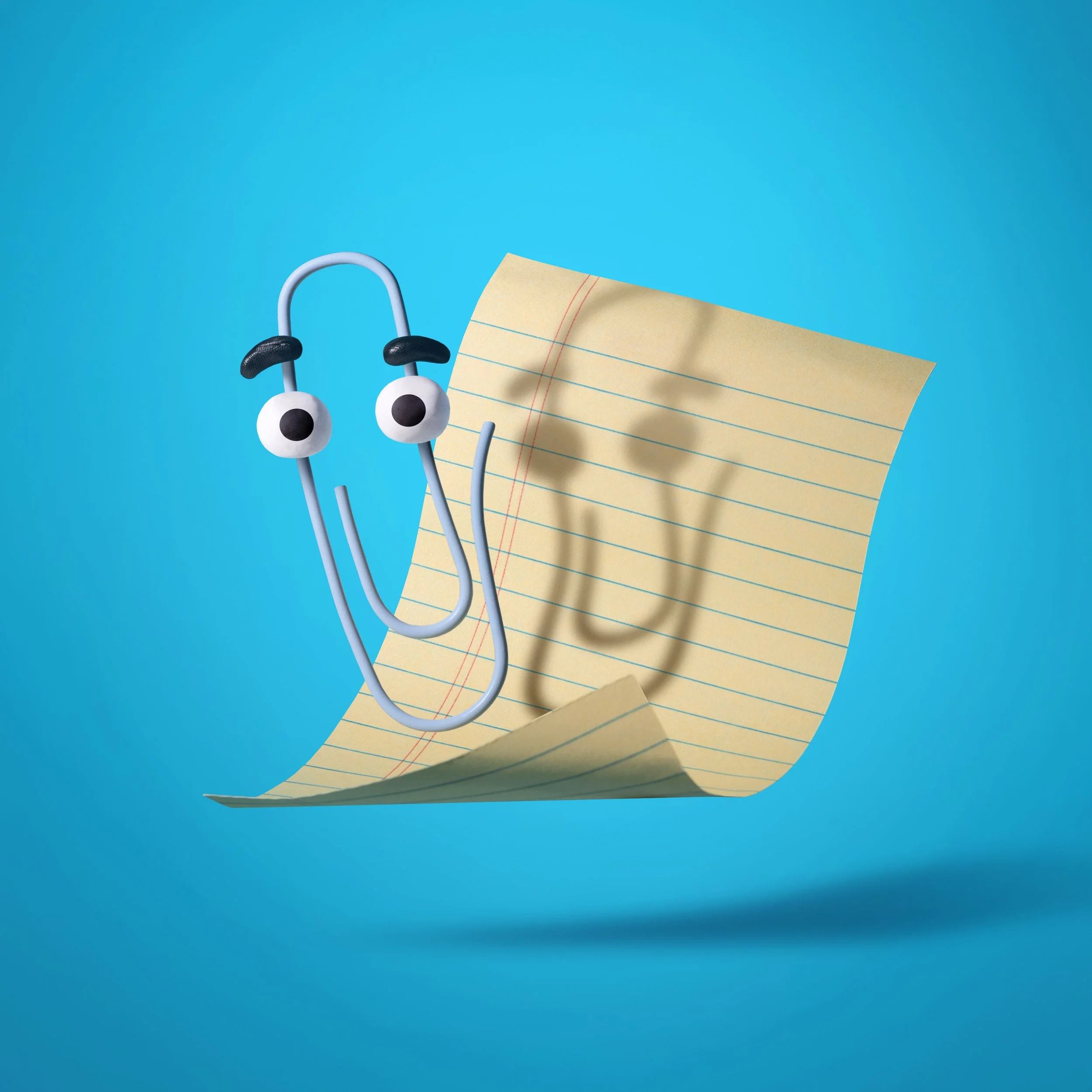
NJ: I recently got a large paper clip and tried to animate an IRL Clippy (of Windows 98 fame). I think he would be equal parts useful and annoying if he were to be a desk-buddy, and I’d get a kick out of that.
LPA: You have other strings to your bow don’t you — haven’t you also illustrated a kids’ story book!?
NJ: I have! The Creature Compendium — it’s a book of ridiculous rhymes about bizarre beasts! It was a real passion project, and is very close to my heart because I wrote it with my brother Daniel. I am really proud of what we created together and it was a delight to get back into illustration for a bit!
I like to sink my teeth into personal projects between photoshoots, I find it keeps me feeling inspired and excited. I’ve also created Alphapets: small buildable model animals made out of letters! The word ‘Elephant’ can be slotted together to make an elephant, ‘Beetle’ makes a beetle, and so on!
LPA: Your work reminds us a bit of those fantastic Aardman and Pixar animated films — what’s your favourite animated film?
NJ: Wallace and Gromit, of course, holds a special place in my heart. It is so charming, and I love how much Gromit can convey whilst being a silent character. Basically anything by Genndy Tartakovsky uses really bold compositions, strong silhouettes and relies on visual storytelling over dialogue.
More recently (thank you Spiderverse for kick-starting this trend) it’s been really great to see 3D animated movies adopting more playful techniques and messing with frame rates and 2D FX.
LPA: Some of the noises and sounds you use in your little films are brilliant. How do you achieve some of these?
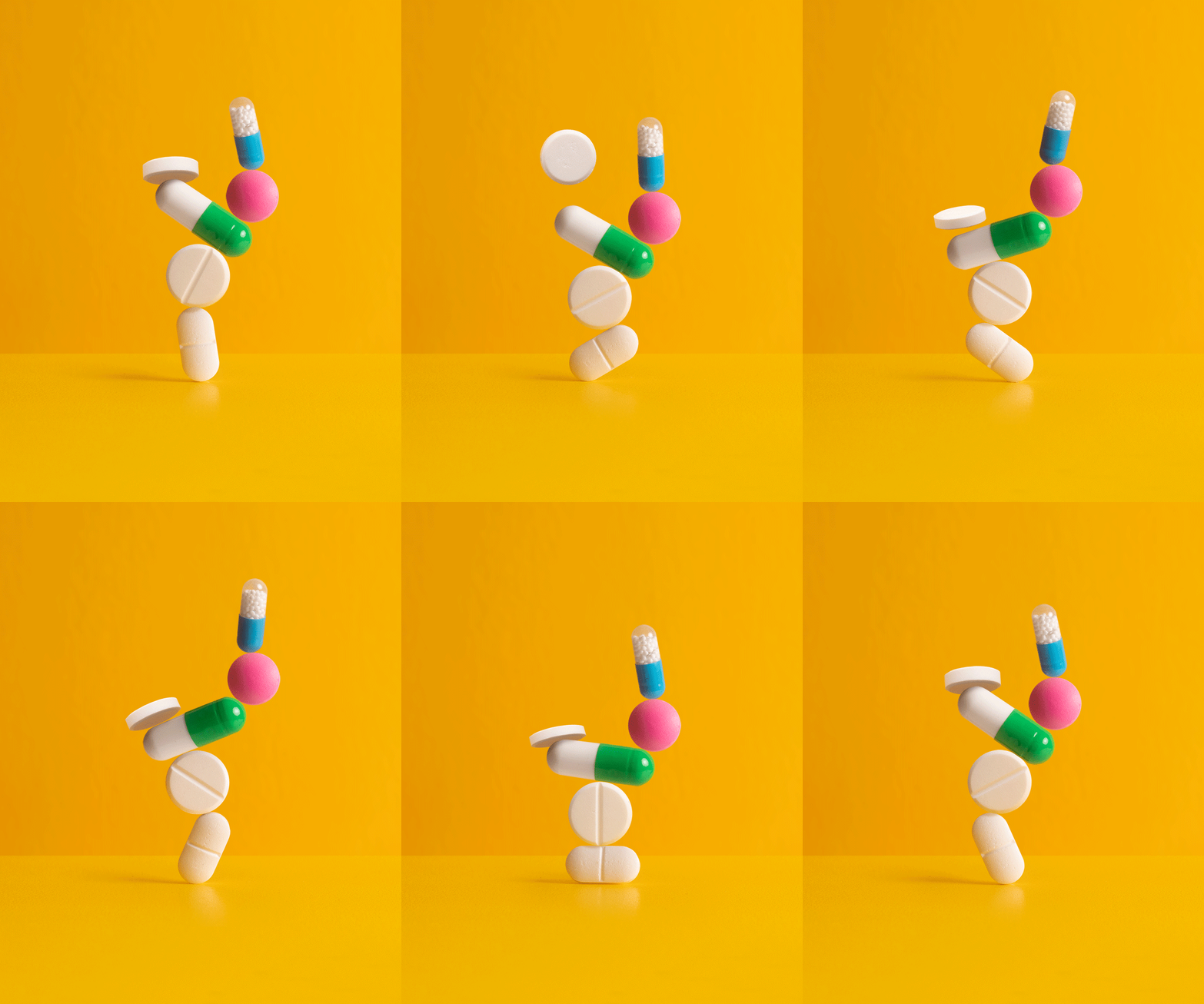
NJ: I often will opt for what sounds satisfying over what might be more realistic. The pop of a cork or the stretch of rubber just feels good to hear, so why shouldn’t they be used for the movement of a custard cream!?
Often I’ll experiment with a lot of sounds to see what feels right — but it’s really hard to find certain sounds (how does one google ‘the sound a pea might make when pinging off of a vase’?) — so sometimes I’ll record them myself, turning the space under my desk into a blanket fort to become a make-shift recording booth.
LPA: How do you come up with all these clever ideas — does it start with the products?
NJ: Often a client will approach me with something they’re trying to convey, for example: “we want to show that our snack is just sliced and dried apples” — and I’ll storyboard from there, trying to make it visually satisfying and smooth so that it becomes a fun watch rather than an info-dump!

LPA: What’s next on your list of ideas for bringing objects to life?
NJ: I’m currently trying to figure out how I might make a bucking-bronco toaster, with bread riding rodeo!
LPA: What’s your guilty pleasure snack on set?
NJ: I am a real snacker (I literally used to be a designer at a snack company) so basically anything I’m shooting will get devoured! I remember when I shot some Pip & Nut Butter Cups, I told them I’d need CASES of it in case some melted, and that I would graciously share them with the building. Very, very few ever left my studio.
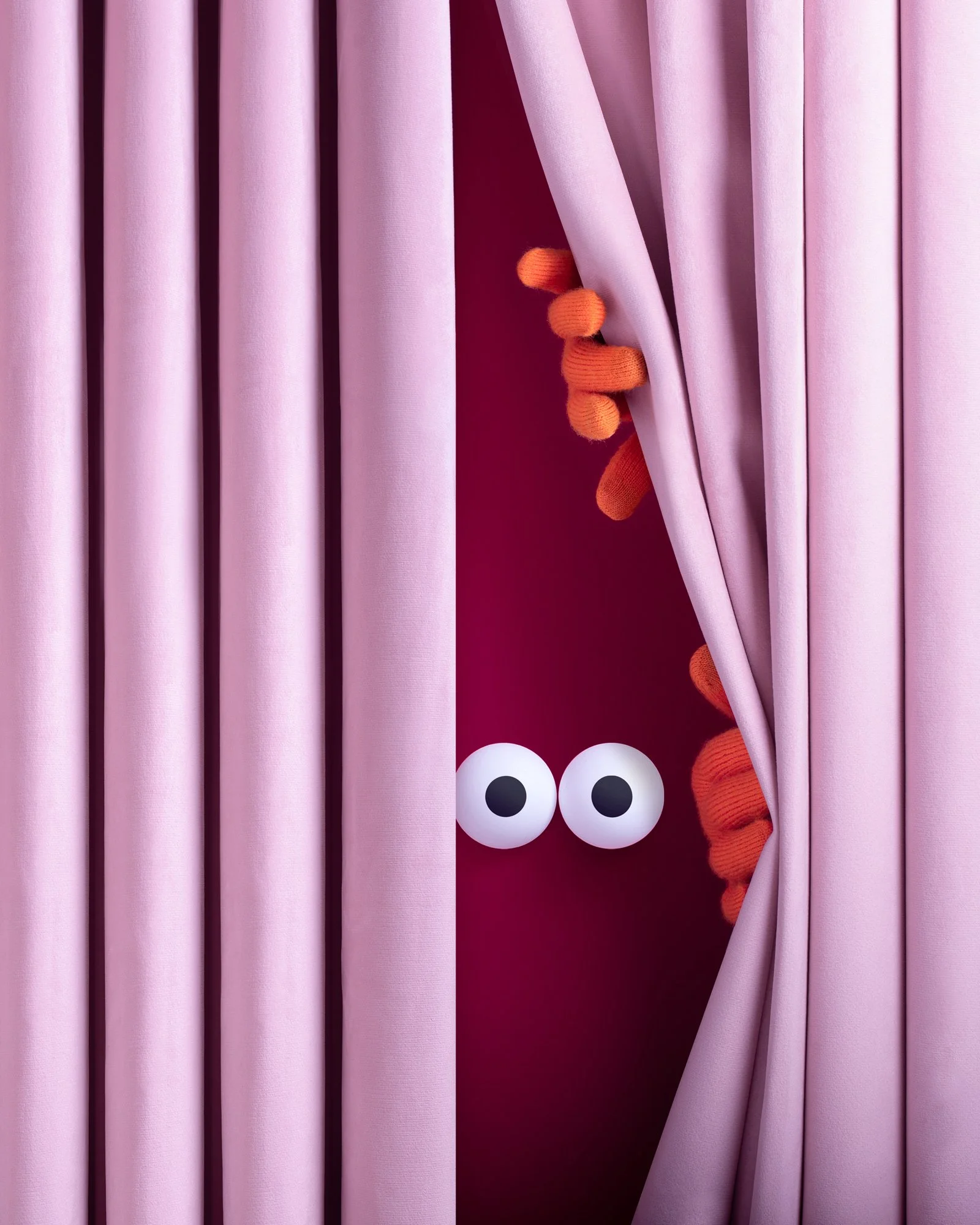
A huge welcome again to Nathan; we’re thrilled to have him join the LPA family. With his playful visuals, inventive stop-motion and boundless creativity, we know he’ll bring plenty of colour and charm to every project.
You can see more of Nathan’s work here or get in touch with us at hello@lisapritchard.com to discuss future collaborations.